When you walk into a store, restaurant, hotel, or parking lot, the business invited you there, and Indiana law expects it to use reasonable care to keep the property safe for you.
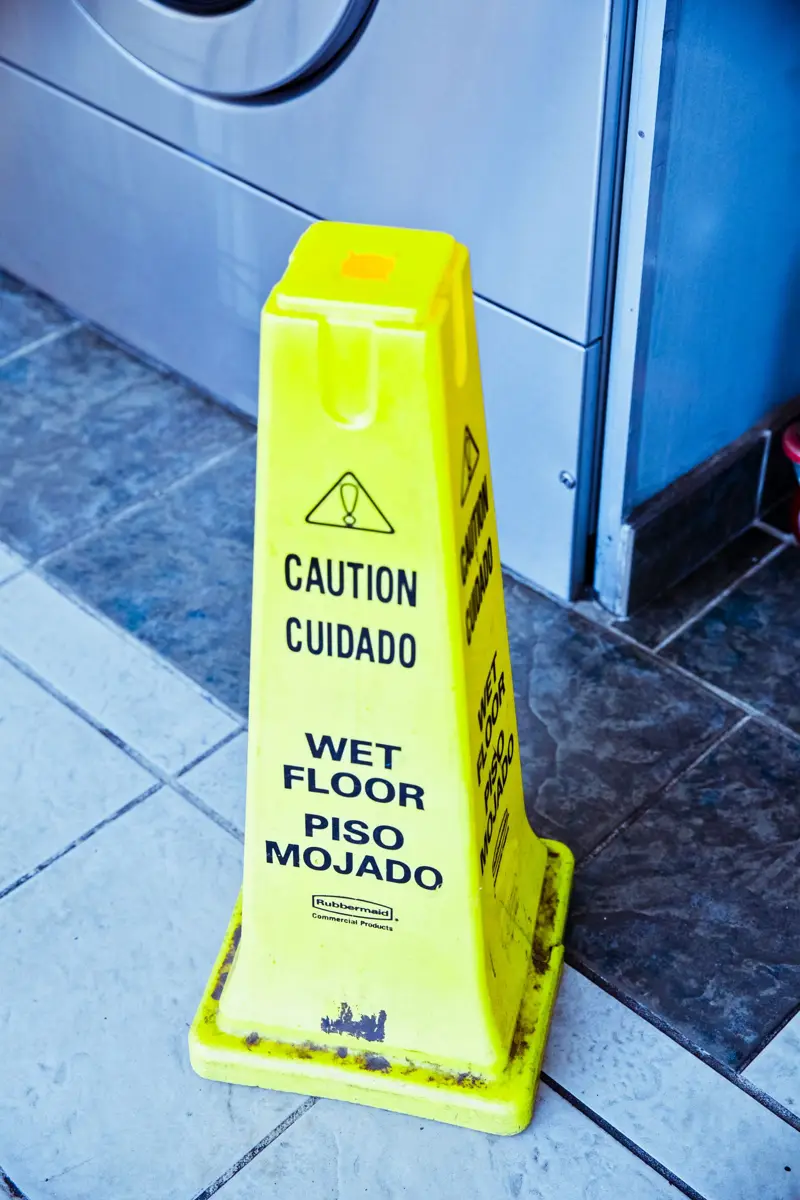
What Indiana law requires of businesses
Indiana classifies people on property as invitees, licensees, or trespassers, and the owner's duty depends on that status. Customers of a business are generally invitees, which carries the highest duty. Indiana courts apply the Restatement (Second) of Torts § 343 to invitees, and in Burrell v. Meads, 569 N.E.2d 637 (Ind. 1991), the Indiana Supreme Court confirmed that invited social guests are invitees owed reasonable care. In plain terms, a business may be liable for a dangerous condition if it:
- knew about the condition, or would have discovered it by using reasonable care;
- should have realized the condition posed an unreasonable risk of harm;
- should have expected customers would not discover the danger or protect themselves from it; and
- failed to use reasonable care to protect customers, for example by fixing, cleaning up, or warning about the hazard.
Notice: the issue in most cases
- Actual notice: an employee knew about the hazard (saw it, was told about it, or created it).
- Constructive notice: the hazard existed long enough that the business should have found it with reasonable inspections.
Surveillance video, cleaning and inspection logs, employee statements, and the condition of the hazard itself (dirty, tracked-through, or dried liquid suggests it had been there a while) can all help prove notice. When the business itself created the hazard, such as mopping without a sign or stacking merchandise unsafely, notice is usually easier to show.
Who can be responsible
The business you visited isn't always the only party. Depending on the lease and contracts, responsibility may fall on the property owner or landlord, the tenant business, a property management company, a snow and ice removal contractor, a cleaning or maintenance contractor, or a builder whose work did not meet code.